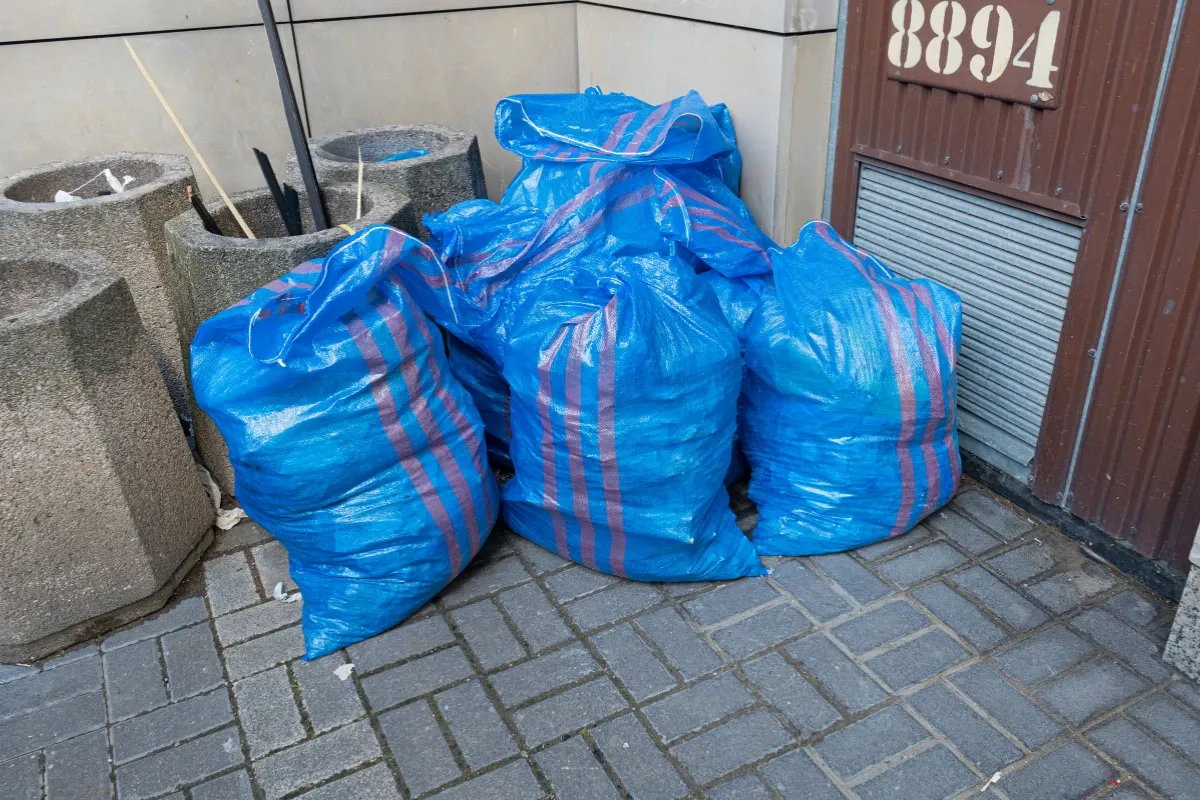
When Do You Need Professional Debris Removal After Property Damage?
Property damage can leave behind more than just visible repairs. After events such as storms, flooding, fire, accidents, or major structural issues, damaged materials and unwanted debris can remain throughout your home or business.
While some small cleanup tasks may be manageable, larger damage situations often require professional debris removal to safely clear affected materials and prepare the property for restoration.
Understanding when debris removal is necessary can help property owners protect their space, reduce safety concerns, and make the recovery process more efficient.
At Thomas Restoration Utah, we help property owners understand their cleanup needs after damage occurs. This guide explains when professional debris removal may be needed, what situations commonly require removal services, and how proper cleanup supports the restoration process.
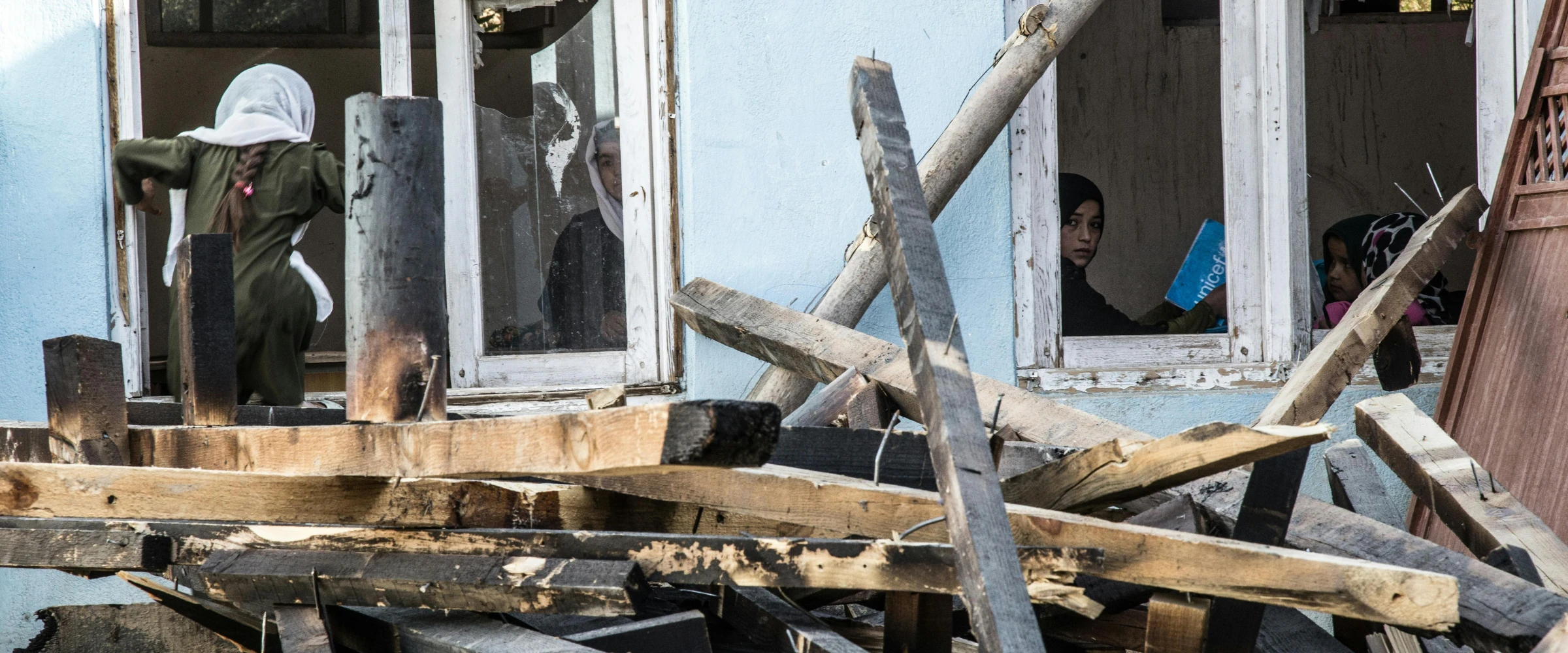
Why Professional Debris Removal Should Not Be Ignored
After property damage, debris is not always just an inconvenience. Damaged materials can prevent restoration work from moving forward and may create additional risks if they are left in place.
Items such as broken drywall, damaged flooring, wet insulation, fallen materials, and affected belongings may need to be removed before cleaning and repairs can begin.
The condition of the debris depends on factors such as the type of damage, how long materials were affected, the amount of debris present, and whether contamination or structural concerns are involved.
Addressing debris removal early can help create a safer work environment and allow restoration professionals to properly evaluate and repair the affected areas.
Common Situations That Require Professional Debris Removal
Storm And Weather-Related Damage
Severe weather can cause significant damage to homes and buildings. Strong winds, heavy rain, flooding, and fallen trees may leave behind damaged roofing materials, broken structures, and unwanted debris.
Storm-related debris may include:
Broken exterior materials
Damaged roofing components
Fallen branches or structural materials
Water-damaged belongings
Damaged household items
After storm damage, professional debris removal can help clear affected areas and prepare the property for restoration.
Water Damage And Flooding
Water damage can affect many parts of a property, including flooring, drywall, insulation, furniture, and personal belongings.
Materials exposed to water may become damaged beyond repair and require removal before drying and restoration work can continue.
Common debris after water damage may include:
Damaged drywall
Wet insulation
Ruined flooring
Water-damaged furniture
Unusable personal belongings
Professional debris removal helps remove affected materials and allows restoration teams to properly address the remaining damage.
Fire And Smoke Damage
Fire damage often creates large amounts of debris throughout a property. Burned materials, damaged structures, and smoke-affected belongings may need to be removed before restoration can begin.
Fire-related debris may include:
Burned building materials
Damaged furniture
Smoke-affected contents
Destroyed household items
Because fire-damaged properties may contain unsafe materials, professional removal can help ensure the cleanup process is handled properly.
Structural Damage And Major Repairs
Large repair projects can create significant debris that needs to be cleared before reconstruction begins.
Examples include:
Broken drywall
Damaged wood materials
Old flooring
Removed fixtures
Construction debris
Professional debris removal helps keep the restoration area organized and allows repair work to continue more efficiently.
Signs You May Need Professional Debris Removal
Property owners may need professional debris removal when they notice:
Large amounts of damaged materials
Debris blocking access to affected areas
Heavy materials that are difficult to move
Water or fire-damaged contents
Structural materials left behind after damage
Safety concerns when handling damaged items
These signs do not always mean everything needs to be removed. A professional assessment can help determine which materials should be discarded and which items may still be restored.
What Happens During Professional Debris Removal?
Every property damage situation is different. The debris removal process depends on the type of damage, the materials involved, and the condition of the property.
A typical process may include:
Evaluating The Damaged Area
The first step is identifying the type and amount of debris present. Professionals evaluate which materials need removal and determine the safest approach.
Removing Damaged Materials
Once the affected materials are identified, debris is carefully removed from the property.
This may include damaged:
Building materials
Flooring
Furniture
Personal belongings
Other unwanted items
Preparing The Property For Restoration
After debris removal is complete, the affected areas are easier to clean, repair, and restore.
Removing damaged materials helps restoration teams focus on returning the property to a usable condition.
Can You Handle Debris Removal Yourself?
Small cleanup projects may be possible for some homeowners, but larger property damage situations can involve heavy materials, hidden hazards, or difficult cleanup requirements.
Professional debris removal may be recommended when:
The damage covers a large area
Materials are heavy or unsafe to handle
Fire, flood, or storm damage is involved
Structural materials are affected
Restoration work is required
Proper removal helps reduce risks and ensures damaged materials are handled appropriately.
Factors That Affect Debris Removal Costs
The cost of professional debris removal depends on several factors. Every property damage situation has different requirements.
Factors that may influence the overall cost include:
Amount of debris
Type of damaged materials
Size of the affected area
Accessibility of the property
Required cleanup methods
Disposal requirements
Additional restoration needs
A proper evaluation is usually needed to determine the exact scope of debris removal services.
Helpful Resources For Property Damage Cleanup And Recovery
The following resources provide additional information about property damage, cleanup, and recovery.
FEMA Disaster Recovery Resources
FEMA provides information about disaster preparation, recovery steps, and assistance after major property damage events.
EPA Indoor Air Quality Resources
The Environmental Protection Agency provides guidance about indoor environments, moisture concerns, and maintaining healthier properties after damage.
National Weather Service Storm Safety Information
The National Weather Service provides information about severe weather preparation and safety practices.
Frequently Asked Questions About Professional Debris Removal
When Should I Hire Professional Debris Removal Services?
Professional debris removal may be needed after major property damage events such as storms, floods, fires, or structural damage when damaged materials need to be safely cleared.
Can Damaged Materials Always Be Restored?
Not always. Some materials can be cleaned and restored, while others may need replacement depending on the type and extent of damage.
Is Debris Removal Part Of The Restoration Process?
Yes. Removing damaged materials is often an important step before cleaning, repairs, and restoration work can continue.
Can Water-Damaged Items Be Removed Immediately?
The timing depends on the condition of the materials and the type of damage. A professional evaluation can help determine what should be removed.
How Do I Know If Debris Is Unsafe To Handle?
If debris involves fire damage, contaminated materials, structural issues, or large amounts of damaged contents, professional guidance may be needed before removal.
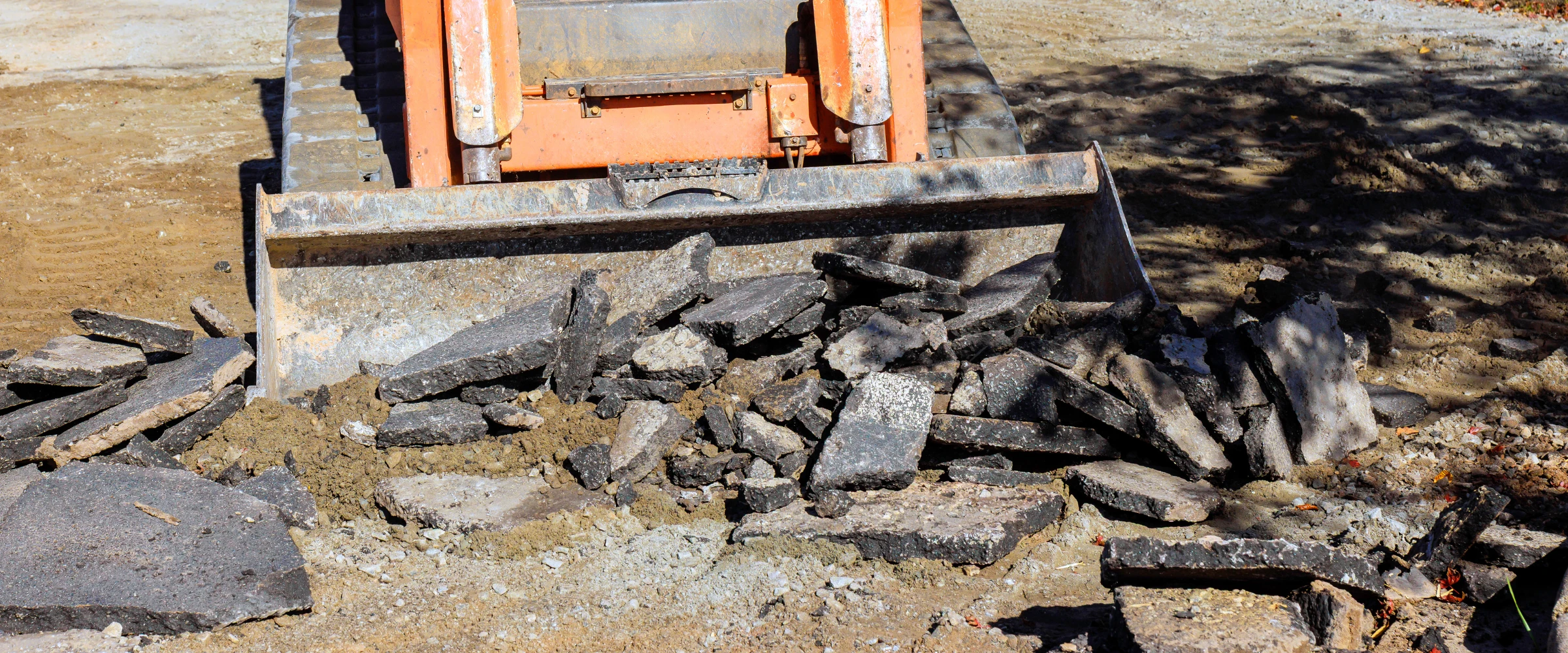
Restore Your Property With Professional Debris Removal
Property damage can leave behind damaged materials that need to be removed before restoration can begin. Whether your property has experienced storm damage, water damage, fire damage, or another major event, professional debris removal can help create a safer and more organized recovery process.
Thomas Restoration Utah provides professional debris removal services in Salt Lake City, UT, helping property owners clear damaged materials and prepare their properties for restoration.
If you need assistance with debris removal after property damage, call +1 (801) 419-2723 or visit our Contact Us page to discuss your situation.

