Mold in Basements and Crawl Spaces: What Utah Homeowners Should Know
Basements and crawl spaces can become problem areas when moisture enters and remains trapped. Even small leaks, humidity issues, condensation, or water intrusion can create conditions where mold may develop. Understanding what causes mold growth and how the remediation process works can help Utah homeowners protect their properties.
Mold remediation focuses on identifying affected areas, addressing moisture sources, removing or cleaning impacted materials when appropriate, and helping prevent the problem from returning. For homeowners dealing with suspected mold in lower-level areas of their homes, professional evaluation can help determine the extent of the issue and the right next steps.
At Thomas Restoration Utah, we help homeowners address mold concerns with a process focused on identifying affected areas, controlling moisture issues, and restoring safer, cleaner living spaces. If you need professional help with mold remediation in Salt Lake City, UT, our team can help you understand your options.
Why Basements And Crawl Spaces Are Common Areas For Mold Growth
Basements and crawl spaces often have conditions that allow moisture to collect. These areas are typically less visible than finished rooms, which means a moisture problem may continue before homeowners notice signs of damage.
Common causes of excess moisture in these areas can include:
Plumbing leaks or slow leaks that go unnoticed
Water entering through foundation areas
Condensation caused by temperature differences
Poor ventilation or limited airflow
High indoor humidity
Moisture left behind after water damage
Mold does not grow because of one specific cause. It develops when moisture and suitable conditions are present for growth. The first step in addressing mold concerns is understanding where the moisture is coming from and how extensive the affected area may be.
Signs You May Have A Mold Problem Below Your Home
Because basements and crawl spaces are often hidden areas, homeowners may notice indirect signs before seeing visible mold.
Possible warning signs include:
Musty Or Unusual Odors
A persistent musty smell in a basement, crawl space, or nearby rooms may indicate a moisture issue. Odors alone do not confirm mold, but they can be a reason to investigate further.
Visible Spots Or Discoloration
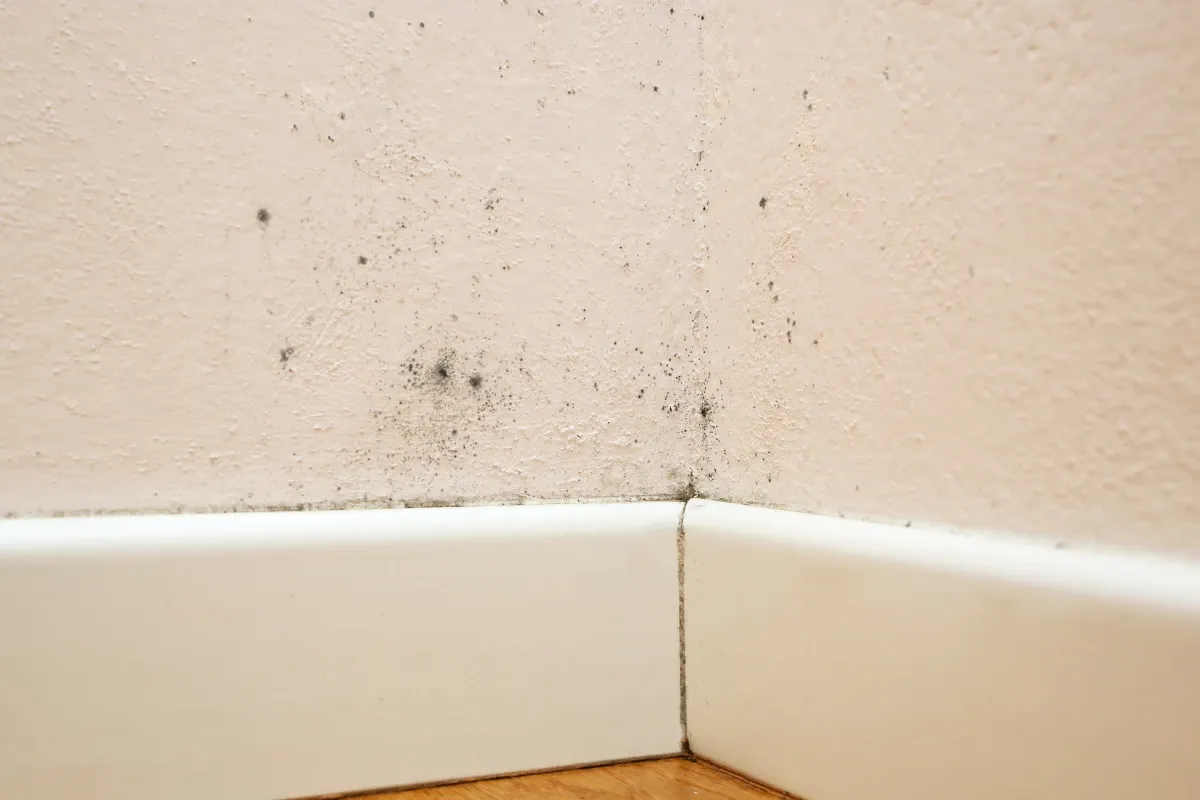
Mold may appear as discoloration on surfaces such as wood, drywall, insulation, or other building materials. Colors and appearances can vary, and visible growth does not always show the full extent of the affected area.
Damp Materials Or Moisture Damage
Wet insulation, damp framing, water staining, or areas that remain humid may point to an underlying moisture problem that needs attention.
Recurring Moisture Issues
If a basement or crawl space repeatedly experiences damp conditions, addressing the moisture source is an important part of preventing future problems.
How Mold Develops In Utah Basements And Crawl Spaces
Utah homes experience a range of seasonal conditions that can affect moisture levels. Changes in temperature, winter conditions, plumbing issues, and occasional water intrusion can all contribute to moisture problems inside a home.
In lower areas of a property, moisture can become trapped in materials such as:
Wood framing
Drywall
Insulation
Flooring materials
Stored belongings
Other porous surfaces
The longer moisture remains unresolved, the more likely it is that materials may be affected. That is why identifying and correcting moisture problems is an important part of the mold remediation process.
What Happens During Professional Mold Remediation?
The exact approach depends on the size of the affected area, the materials involved, and the source of moisture. A professional remediation process generally focuses on several key steps.
Identifying The Affected Areas
The first step is understanding where mold growth or moisture concerns exist. This may involve inspecting visible areas and looking for signs that additional areas could be affected.
Controlling The Moisture Source
Removing mold without addressing the reason it developed can allow the problem to return. Correcting leaks, moisture intrusion, or humidity concerns is an important part of long-term prevention.
Containing The Affected Area
Depending on the situation, professionals may use methods designed to limit the spread of dust, debris, or mold particles during cleanup activities.
Removing Or Cleaning Affected Materials
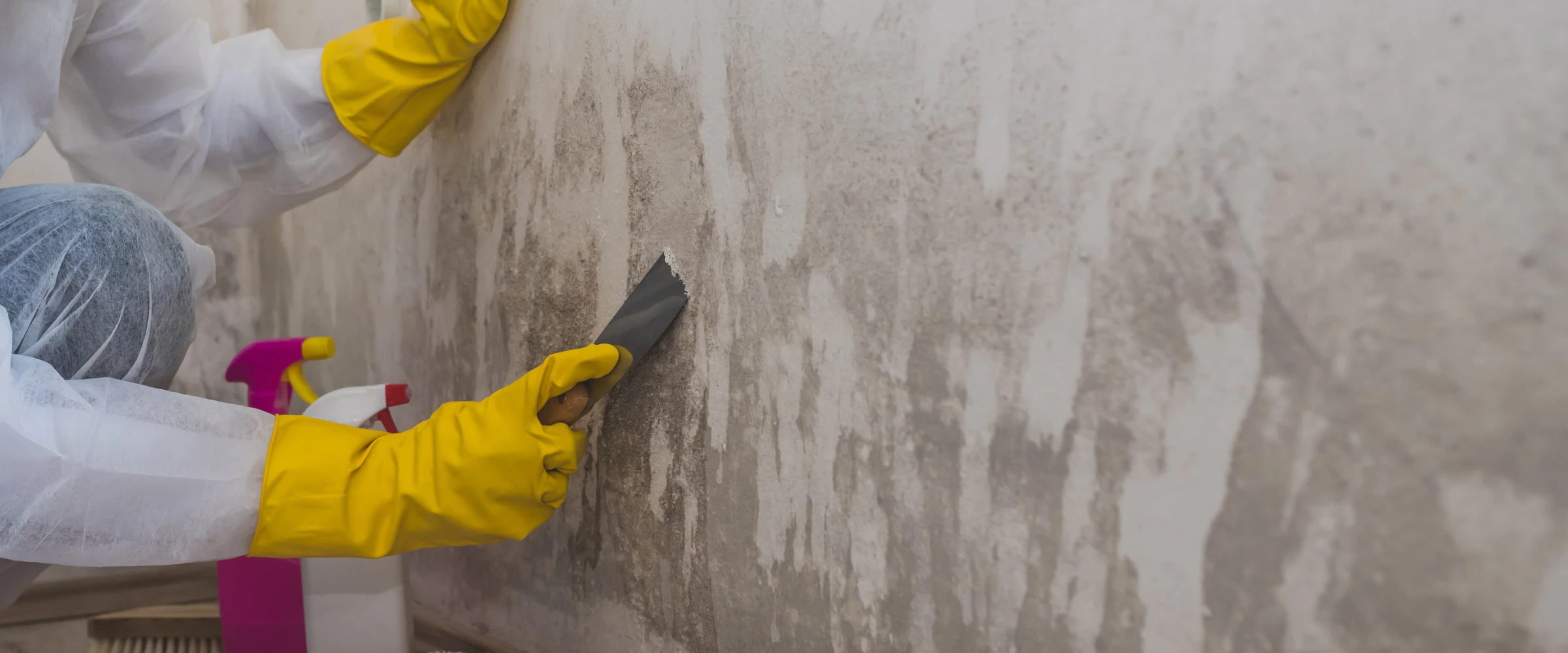
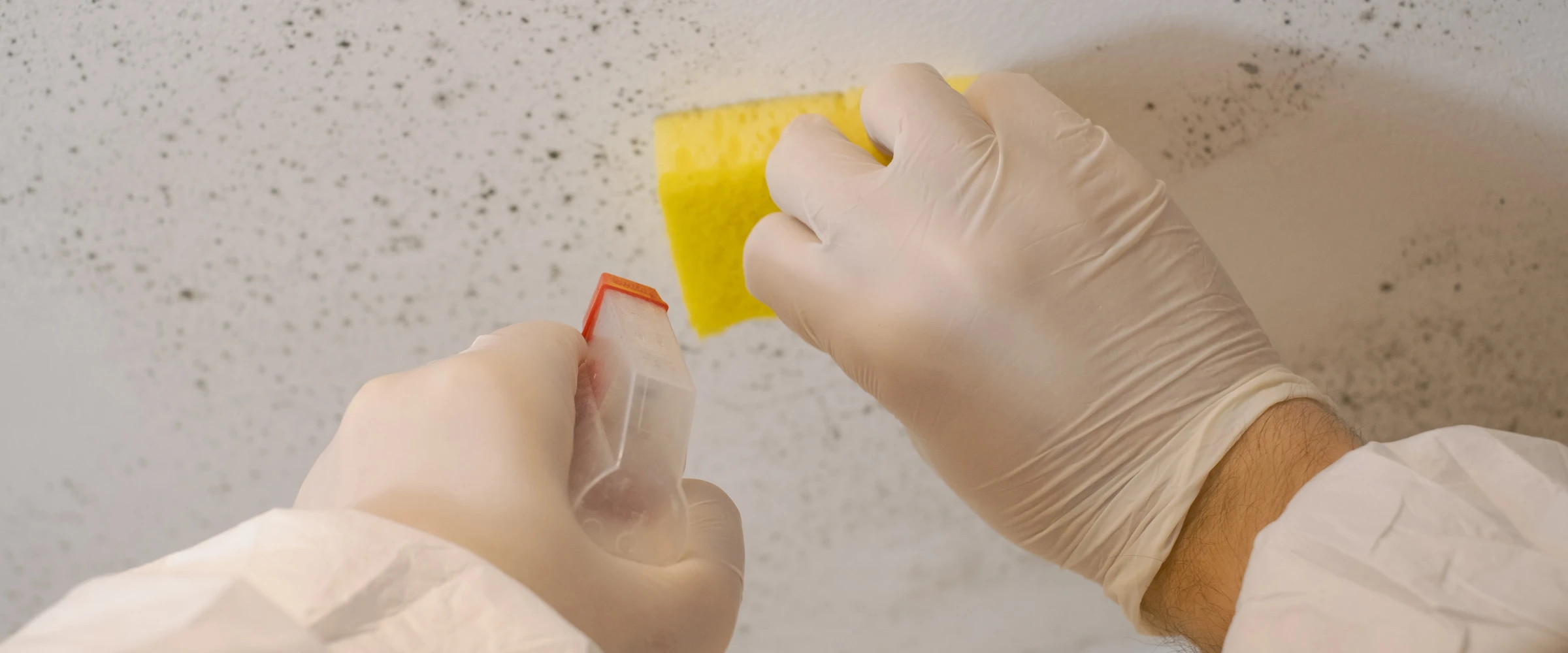
Some materials may be cleaned and restored, while others may require removal depending on their condition, level of damage, and ability to be properly addressed.
The decision between cleaning and replacement depends on factors such as:
Material type
Extent of mold impact
Duration of moisture exposure
Condition of the material
Whether the material can be properly cleaned
A professional approach focuses on evaluating the situation rather than automatically replacing every affected item.
Why Removing Mold Without Fixing Moisture Problems Often Fails
One of the most common mistakes homeowners make is focusing only on visible mold while ignoring the moisture problem that allowed it to develop.
For example, cleaning visible growth may not solve the issue if:
A hidden leak continues
Humidity remains elevated
Damp materials are not properly addressed
Water continues entering the area
Successful remediation involves more than removing what you can see. The underlying conditions that contributed to mold growth must also be considered.
When Should You Consider Professional Mold Remediation?
Not every small moisture issue requires professional assistance. However, homeowners should consider professional evaluation when mold growth is extensive, difficult to access, keeps returning, or involves uncertain conditions.
Professional assistance may be appropriate when:
Mold is discovered in a crawl space or hidden area
The affected area is larger than expected
Moisture problems continue after basic repairs
Mold is affecting building materials
You are unsure about the extent of the problem
Attempting to disturb larger or uncertain mold growth without proper knowledge and equipment may spread contamination to additional areas.
Mold Remediation Cost Factors For Utah Homes
The cost of mold remediation can vary because every property and situation is different. Factors that may influence the overall cost include:
Size of the affected area
Type of materials involved
Accessibility of the space
Source of moisture
Amount of cleanup required
Whether repairs are needed after remediation
A basement with a small affected area may require a different approach than a crawl space with widespread moisture damage. An inspection and evaluation help determine what work may be necessary.
Helpful Mold And Moisture Resources For Homeowners
The following resources can help homeowners better understand moisture control, mold information, and indoor environmental concerns.
EPA Mold Information
The Environmental Protection Agency provides homeowner information about mold, moisture control, and general steps for addressing mold concerns.
CDC Mold Information
The Centers for Disease Control and Prevention offers educational information about mold and indoor environments.
FEMA Flood Resources
FEMA provides information about flooding, water-related damage, and recovery resources for property owners.
EPA Moisture Control Guidance
This resource explains how controlling moisture plays a role in managing indoor mold concerns.
Frequently Asked Questions About Basement And Crawl Space Mold
Can Mold Grow In A Crawl Space Without Being Visible?
Yes. Crawl spaces can have hidden areas where moisture collects, including behind materials or in areas that are difficult to access. Visible signs are not always the only indication of a possible moisture problem.
Does Mold Always Mean A Home Has A Serious Problem?
Not necessarily. The significance of mold depends on factors such as the amount of growth, location, materials affected, and whether the moisture source has been corrected.
Can Mold Return After Remediation?
Mold can return if the conditions that allowed growth remain. Addressing moisture sources and maintaining proper moisture control are important parts of preventing future issues.
Should Homeowners Remove Mold From A Crawl Space Themselves?
Small, simple cleanup situations may be different from larger or hidden mold concerns. Homeowners should avoid disturbing uncertain or extensive mold growth without understanding the risks and proper procedures.
How Do You Know If A Basement Has Hidden Mold?
Signs may include musty odors, visible moisture damage, recurring dampness, or areas where materials have been exposed to prolonged moisture. A professional evaluation can help determine the extent of the concern.
Does Mold Remediation Remove Every Mold Spore?
No home environment can be guaranteed completely free of mold spores because spores exist naturally in the environment. The goal of remediation is to address affected areas and moisture conditions that support unwanted growth.
Protect Your Home From Basement And Crawl Space Moisture Problems
Mold concerns in basements and crawl spaces are often connected to moisture issues that need careful attention. Identifying the source, understanding the extent of the problem, and choosing the right mold remediation approach can help protect your property.
Thomas Restoration Utah provides professional support for homeowners dealing with mold concerns in Salt Lake City and surrounding areas. If you need help evaluating a possible mold issue or need professional mold remediation, contact us through our Contact Us page or call +1 (801) 419-2723 to discuss your situation.
A proper assessment can help you understand what steps are needed to address the problem and protect your home.

