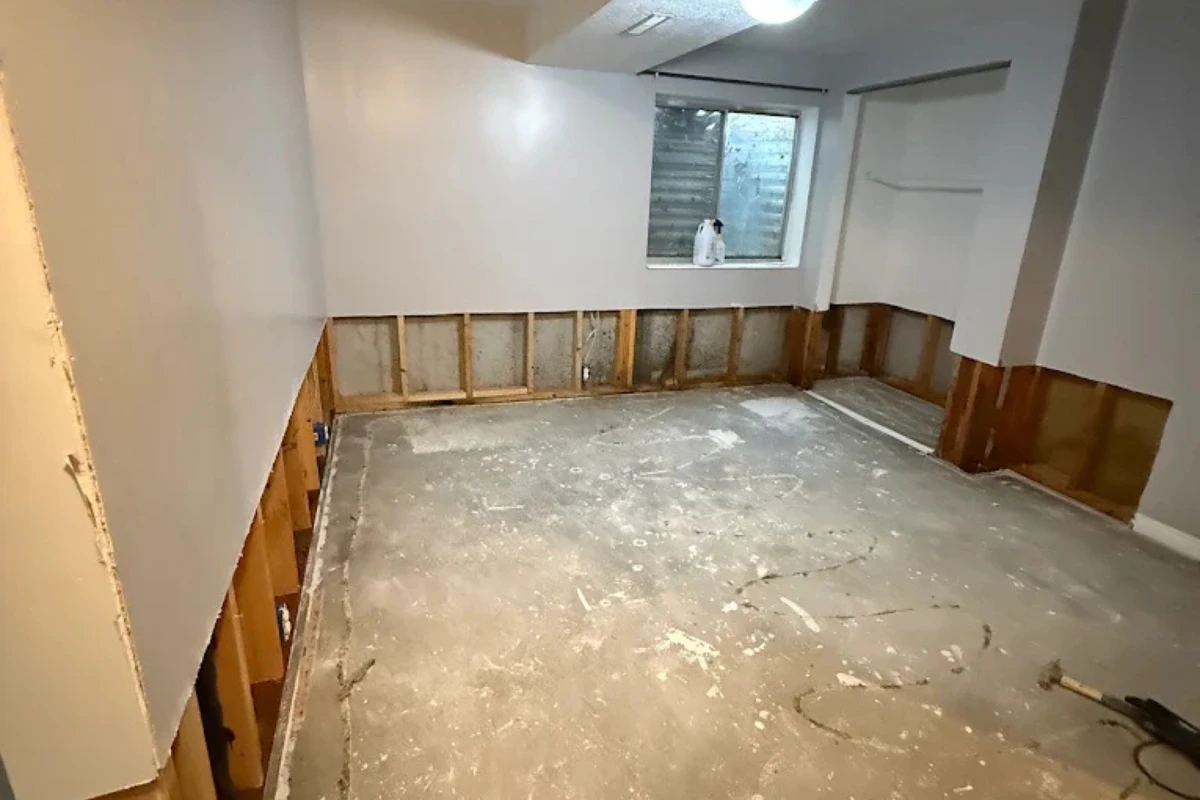
Home Repairs After Property Damage: What Should Be Fixed First?
A damaged ceiling, soaked flooring, or broken window can make you want to start repairs immediately. But fixing what you can see first is not always the best approach. Some damage needs attention before cosmetic repairs can safely begin.
After property damage, home repair should start with safety hazards, the source of the damage, and anything that could cause further deterioration. Structural concerns, water intrusion, and damaged electrical systems generally take priority over drywall, flooring, paint, and other finishes.
For homeowners in Salt Lake City, UT, understanding the right repair order can help prevent unnecessary work, protect unaffected areas, and make the restoration process easier to manage.
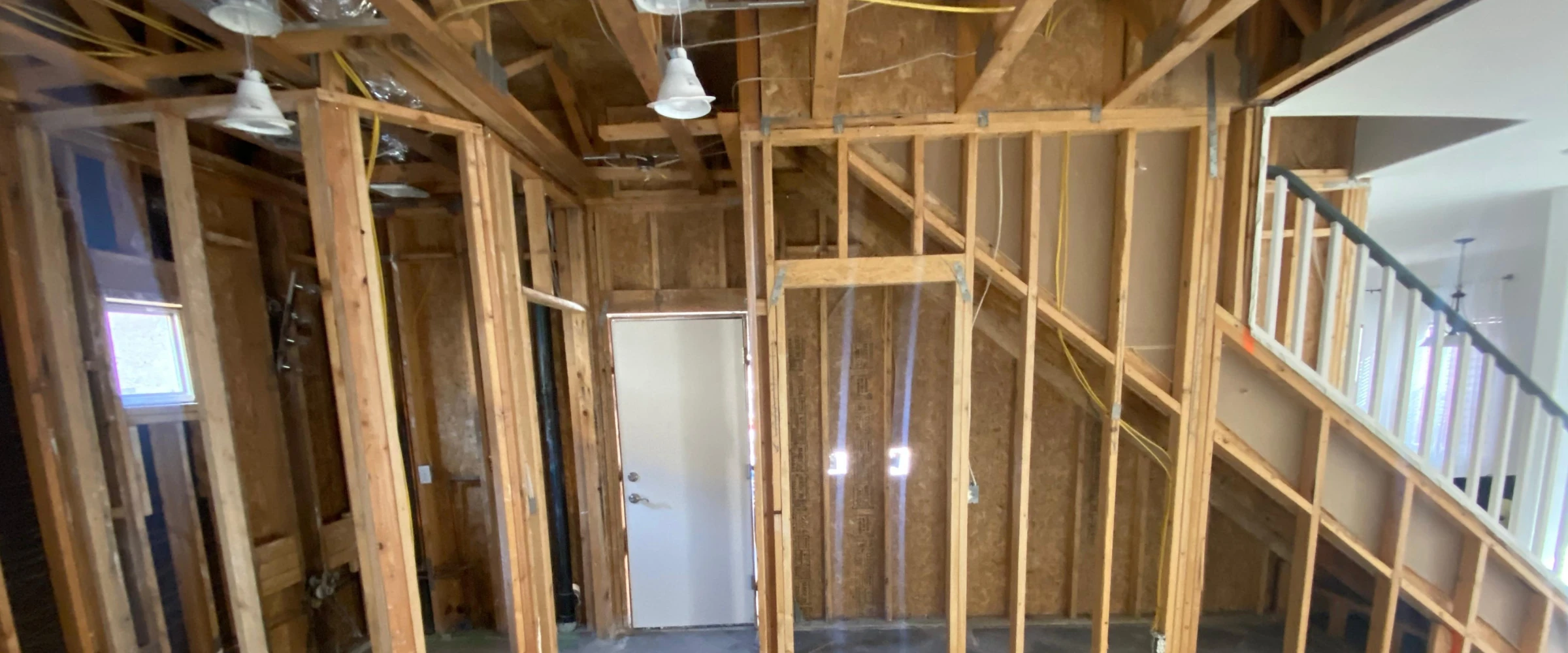
What Should You Repair First After Property Damage?
The right repair sequence depends on what happened to your home and how extensively it was damaged. A minor plumbing leak requires a different approach than a fire or severe storm.
Most property restoration projects follow a general order:
Address immediate safety hazards. Keep people away from damaged structures, exposed wiring, contaminated water, and other dangerous conditions.
Stop the source of ongoing damage. This may involve addressing a plumbing leak, damaged roofing, or another source of water intrusion.
Assess structural and hidden damage. Determine whether walls, ceilings, floors, framing, or other components need attention.
Complete necessary cleanup and drying. Remove damaged materials when appropriate and address remaining moisture or contamination.
Repair essential building components. Restore damaged walls, ceilings, flooring, and other affected areas in the appropriate sequence.
Finish cosmetic repairs. Complete painting, trim work, and other finishing details after underlying problems have been resolved.
These stages may overlap, and some situations require specialized professionals before repairs can proceed.
A professional home repair assessment can help establish which areas need immediate attention and which repairs can be scheduled later.
Start With Safety and Structural Concerns
Before considering appearance, determine whether your home is safe to enter and use.
Property damage can affect structural components, electrical systems, ceilings, and other areas that are not always easy to evaluate visually.
Check for Potential Structural Damage
Cracked structural components, sagging ceilings, shifted framing, and severely damaged floors may indicate problems that need professional evaluation.
These conditions can occur after significant water exposure, fire, falling debris, or other damaging events.
Avoid entering areas with visibly unstable structural components. A qualified professional should evaluate the affected areas before repair work begins.
Address Electrical and Utility Hazards
Water and fire can damage electrical wiring, outlets, panels, and connected equipment.
If electrical components have been exposed to water or heat, avoid using them until a qualified electrician determines they are safe.
Damaged gas lines and other utility systems also require appropriate professional attention. Never attempt to operate equipment that may have been compromised.
Prevent Additional Damage
Once immediate safety concerns have been addressed, the next priority is limiting further property damage.
For example, a leaking roof may continue allowing water into the home even after the initial storm has passed. Repairing interior drywall before resolving the roof problem could result in repeated damage.
Correcting the underlying issue first helps protect later repair work.
Water Damage Repairs: Drying Comes Before Rebuilding
Water damage can extend beyond the visibly wet area. Moisture may remain inside walls, beneath flooring, around cabinetry, or within insulation.
Replacing damaged finishes before addressing that moisture can trap dampness inside building materials.
Identify and Correct the Water Source
Before rebuilding, determine where the water came from.
Common sources include plumbing leaks, appliance failures, roof leaks, overflowing fixtures, and exterior water intrusion.
The source also matters because different types of water can present different contamination risks.
Water that may contain sewage or other contaminants requires appropriate professional handling. Homeowners should avoid entering contaminated or electrically hazardous areas.
Evaluate Hidden Moisture
A wall may appear dry while the materials behind it still contain moisture.
Professional restoration work can involve moisture detection and controlled drying to determine whether affected materials are ready for repair.
At Thomas Restoration Utah, we provide water damage restoration and structural drying services, including moisture detection and drying of affected building materials.
Decide What Can Be Restored
Not every material exposed to water needs replacement.
The decision depends on the material, the water source, contamination, exposure time, physical condition, and whether the material can be adequately cleaned and dried.
For example, some flooring materials may be restorable after limited exposure to clean water. Other materials may need replacement because of swelling, deterioration, or contamination.
The goal is to preserve suitable materials without leaving underlying damage unresolved.
Which Home Repairs Come Next?
After safety concerns, moisture problems, and necessary cleanup have been addressed, the focus can shift toward restoring damaged rooms.
The repair order matters because different parts of a room depend on one another.
Walls and Ceilings
Damaged drywall and ceiling materials may need repair or replacement after water, fire, or structural damage.
Before closing a wall, any necessary work involving concealed plumbing, electrical systems, framing, or insulation should be completed.
Once the underlying conditions have been addressed, the affected surfaces can be repaired and prepared for finishing.
Flooring and Subfloors
Flooring damage is not always limited to the visible surface.
Water exposure can affect subflooring beneath carpet, hardwood, laminate, or other floor coverings. Depending on the material and damage severity, repairs may require drying, replacement, or additional preparation.
Installing new flooring before checking the underlying materials can lead to recurring problems.
Cabinets, Doors, and Interior Trim
Cabinetry and trim can absorb moisture or become damaged during a property loss.
Some components may be repaired, while others may require replacement because of warping, structural deterioration, or extensive surface damage.
Doors and frames should also be checked for proper alignment and operation after significant damage.
Painting and Final Finishes
Painting usually belongs near the end of the restoration process.
Applying paint over damaged or damp materials does not resolve the underlying problem. Repairs, appropriate drying, surface preparation, and any necessary inspections should take place first.
Finishing work is most effective when the repaired areas are ready for it.
How Does the Repair Order Change After Fire or Storm Damage?
Not all property damage follows the same repair process.
After Fire Damage
Fire damage may involve heat-affected building materials, smoke residue, soot, odors, and water used during firefighting.
Structural and utility safety must be addressed before cleanup or rebuilding.
Different surfaces may require different cleaning or replacement methods. Smoke residue, for example, should not be treated as ordinary household dust because improper cleaning may spread contamination or damage finishes.
Repairs to walls, ceilings, and flooring can follow after the affected areas have been appropriately evaluated and treated.
After Storm Damage
Storm damage can affect roofing, siding, windows, doors, and interior spaces.
The initial priority is identifying hazards and preventing additional weather exposure through appropriate professional measures.
Once the exterior is secured and any interior moisture concerns are resolved, repairs can move toward damaged building materials and finishes.
In Salt Lake City, seasonal snow, freezing temperatures, and occasional severe storms can affect repair planning. Weather conditions may also influence when certain exterior repairs can be completed.
Should You Repair or Replace Damaged Materials?
Replacement is not always necessary, but repairing every damaged component is not practical either.
A useful decision starts with the material's condition and whether restoration can produce a safe, functional result.
Repair may make sense when damage is localized, the material remains structurally sound, and the underlying cause has been corrected.
Replacement may be more appropriate when materials are severely weakened, permanently deformed, contaminated beyond practical cleaning, or unable to perform their intended function.
Cost also matters. A repair that requires extensive labor but leaves a compromised material in place may offer less value than replacement.
At the same time, removing otherwise serviceable materials can unnecessarily increase the scope of a project.
An informed decision considers safety, condition, appearance, durability, and the work required to restore the affected area.
What Can Delay Home Repairs After Property Damage?
Property repairs do not always proceed directly from cleanup to finished construction.
Several factors can influence the schedule.
Hidden damage: Additional problems may become apparent after damaged finishes are removed or concealed areas are evaluated.
Moisture conditions: Building materials may require further drying before repairs can continue.
Material availability: Matching existing flooring, cabinetry, or other finishes can affect scheduling.
Specialized work: Electrical, plumbing, or structural concerns may need attention from qualified trades before general repairs resume.
Permits and inspections: Certain repairs may require approvals before construction or occupancy can proceed.
Repair scope: A single damaged room generally involves different planning considerations than several affected areas throughout a home.
A clear repair plan should account for these conditions rather than assuming every project follows the same timeline.
Planning Home Repairs in Salt Lake City, UT
Homeowners in Salt Lake City should consider both the condition of the property and local requirements when planning substantial repairs.
Cold winter temperatures can complicate repairs involving frozen pipes or exterior damage. Snow and freeze-thaw conditions may also influence the timing of certain projects.
For larger repairs, it is helpful to determine early whether permits or inspections are needed. Requirements depend on the work being performed, particularly when structural, electrical, plumbing, or other regulated systems are involved.
Our home repair services in Salt Lake City, UT, include interior and exterior repairs following property damage. We work on affected areas such as drywall, ceilings, flooring, cabinetry, and other building components as part of restoring usable living spaces.
Establishing the correct scope before starting finish work can reduce unnecessary changes during the project.
Useful Resources for Planning Property Repairs
Homeowners can use several authoritative resources to better understand safety precautions, moisture concerns, and local construction requirements.
Environmental Protection Agency
The U.S. Environmental Protection Agency's mold cleanup guidance explains how moisture and mold concerns can affect building materials. It is particularly useful before repairing areas that have experienced water damage.
EPA Flood Cleanup Guidance
The EPA's flood cleanup and indoor air quality guidance covers important precautions involving contaminated water, damaged materials, and drying. Homeowners can use this information to understand why cleanup and moisture control should precede rebuilding.
Salt Lake City Building Services
Salt Lake City Building Services provides information about building permits, inspections, and construction requirements. This resource can help homeowners determine what approvals may apply to planned repair work within the city.
Frequently Asked Questions About Home Repairs After Property Damage
Can I Stay in My Home While Repairs Are Being Completed?
It depends on the severity and location of the damage. Minor repairs may allow continued occupancy, while structural hazards, contamination, damaged utilities, or extensive restoration work can make parts of a home unsafe to use. Follow guidance from qualified professionals and relevant authorities.
Should I Replace All Drywall After Water Damage?
Not necessarily. Replacement depends on the water source, contamination, material condition, and extent of moisture exposure. Some affected materials can be dried and retained, while others require removal.
How Do I Know if Water Has Damaged the Floor Underneath My Flooring?
Warning signs may include swelling, buckling, soft spots, discoloration, or persistent moisture-related odors. However, hidden damage is not always visible. A professional moisture assessment can help determine whether underlying materials have been affected.
Can Cosmetic Repairs Be Completed Before Structural Repairs?
Cosmetic work should generally follow repairs to the underlying structure and building systems. Painting, installing trim, or replacing finishes too early can result in additional work if damaged components still need attention.
Will Homeowners Insurance Cover Property Repairs?
Coverage depends on the cause of damage, your policy terms, exclusions, limits, and the insurer's determination. Documenting the damage and keeping repair records can be useful during the claims process, but reimbursement is not guaranteed.
Do I Need a Permit for Home Repairs in Salt Lake City?
Some repairs require permits, while others may not. The answer depends on the nature and scope of the work. Contact Salt Lake City Building Services to confirm requirements before beginning a project that may involve regulated building systems or structural changes.
How Much Do Home Repairs After Property Damage Cost?
Costs vary based on the size of the affected area, the materials involved, the extent of damage, and whether additional cleanup or specialized work is necessary.
A small drywall repair will have different requirements from rebuilding a room with damaged flooring, cabinetry, and concealed building materials. An assessment helps establish the necessary repair scope before pricing can be determined.
Can Multiple Damaged Areas Be Repaired During the Same Project?
Yes, depending on the condition of the property and the work required. Coordinating repairs across several rooms may help organize the restoration process, especially when multiple areas were affected by the same event.
The order of work should still account for safety, moisture conditions, and any repairs that must be completed before finishing can begin.
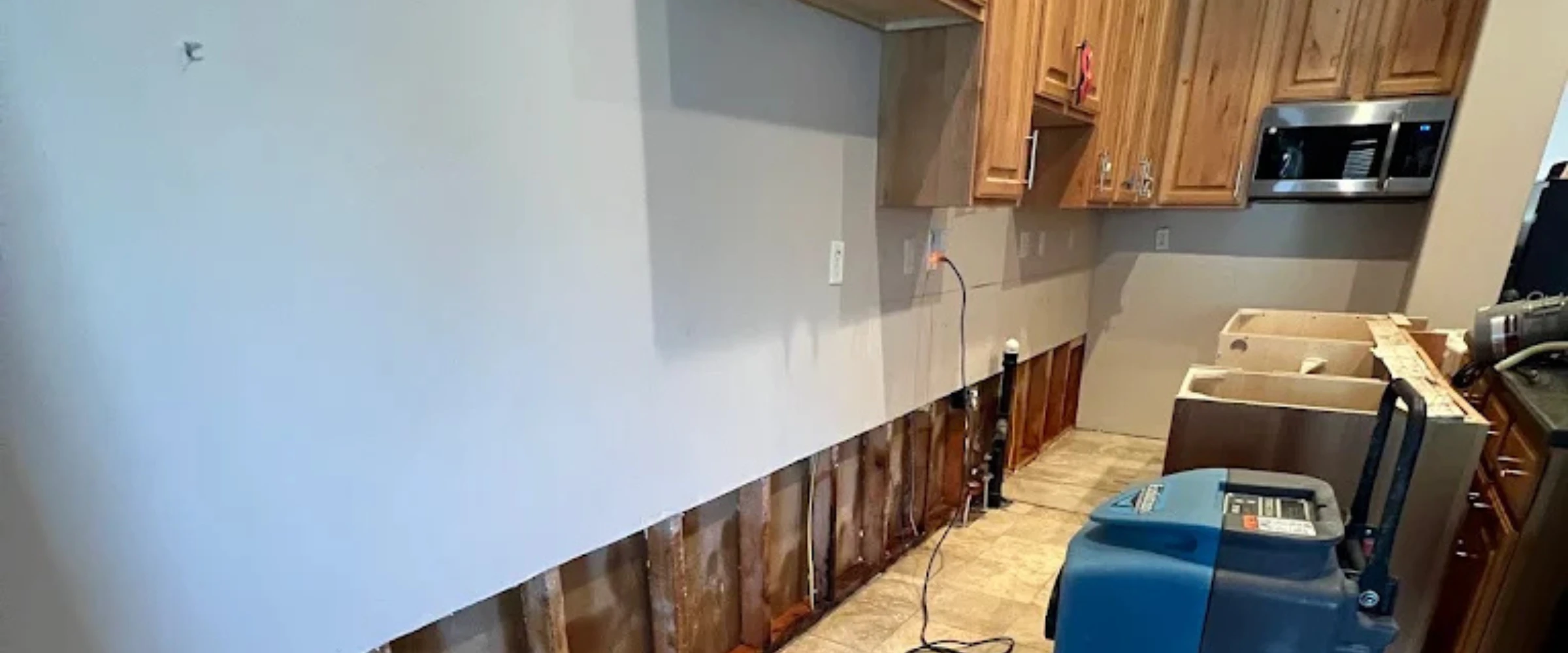
Restore Your Home in the Right Order
The most effective repair plan starts with identifying what caused the damage and determining which areas need attention first.
Safety concerns, structural conditions, and ongoing moisture problems should be resolved before investing in finished walls, flooring, cabinetry, or paint. Following the proper sequence helps protect completed work and supports a more organized recovery.
At Thomas Restoration Utah, we help homeowners in Salt Lake City, UT, repair damaged areas and restore their living spaces after water, fire, and storm-related property damage.
If your home has been damaged and you are unsure where repairs should begin, call +1 (801) 419-2723 or contact us to discuss your property's condition and the next steps for restoration.

