Can Water-Damaged Drywall Be Saved, or Does It Need to Be Replaced?
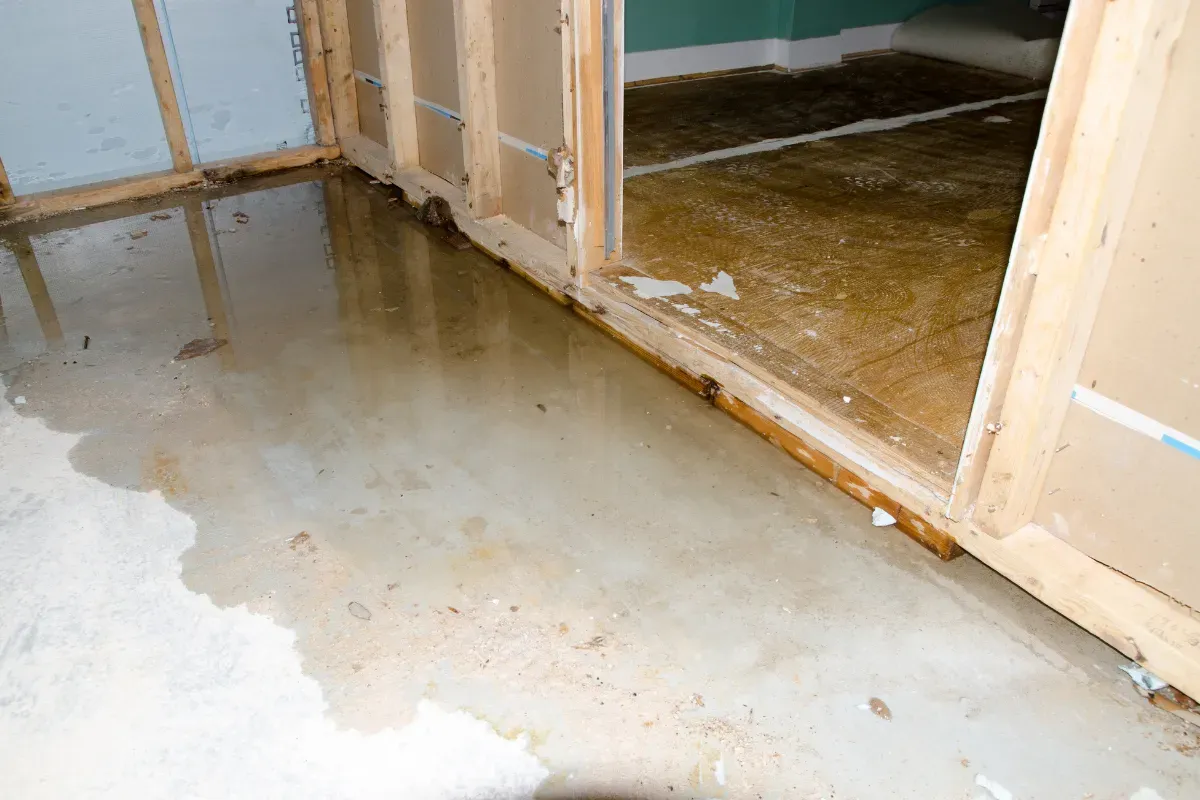
Wet drywall does not always need to be torn out.
Drywall affected by a limited amount of relatively clean water may sometimes be dried and kept if it remains structurally sound and the wall assembly can be dried properly. Drywall that is badly swollen, crumbling, contaminated, mold-affected, or unable to dry adequately is more likely to need replacement.
The difficult part is knowing which situation you have. A professional water damage restoration assessment can look beyond the visible stain and determine how far moisture has traveled into the drywall, insulation, framing, flooring, and nearby materials.
When Can Water-Damaged Drywall Be Saved?
Drywall may be a candidate for drying when the water exposure is limited, and the material has not suffered significant physical damage.
EPA guidance for clean-water damage notes that wallboard may sometimes be dried in place when there is no obvious swelling and the seams remain intact. The wall cavity also needs an opportunity to dry.
Several factors generally support restoration rather than replacement:
The water source has been identified and stopped.
The water did not involve sewage or contaminated floodwater.
The drywall remains firm and stable.
The board is not significantly swollen, sagging, or crumbling.
Seams and fasteners remain intact.
Moisture behind the drywall can be addressed.
The material can be dried without trapping moisture inside the wall.
There is no established mold growth that changes the restoration approach.
A small leak from a plumbing supply line may create a very different situation from groundwater entering a basement or an overflowing fixture that has saturated several rooms.
The source, amount of water, duration of exposure, and materials involved all affect the decision.
Signs That Drywall Is More Likely to Need Replacement
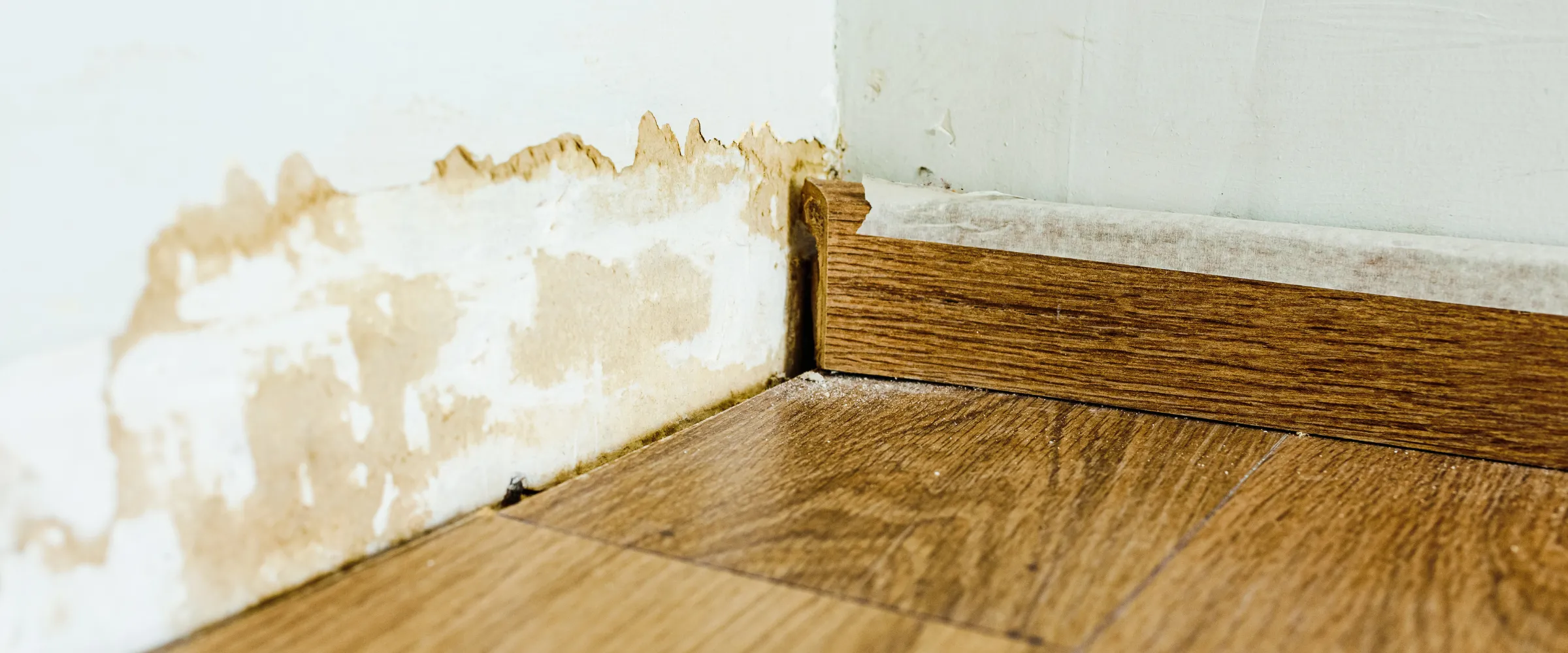
Drywall becomes harder to save once water changes the physical condition of the gypsum core or paper facing.
Signs that replacement may be appropriate include:
Soft or spongy areas
Sagging or bulging
Crumbling gypsum
Warped sections
Separating or peeling paper
Loose seams
Fasteners pulling through the board
Extensive swelling
Persistent deterioration after drying begins
A brown water stain by itself does not prove that the board needs to be replaced. A stain can remain even after moisture is gone.
Physical damage and conditions inside the wall matter more than appearance alone.
The Water Source Can Change the Decision Completely
Not all water damage should be treated the same way.
A clean plumbing leak and a sewage backup can both leave drywall visibly wet, but the restoration considerations are very different.
Clean Water Exposure
Drywall exposed to relatively clean water may sometimes be dried if the exposure was limited and the material remains sound.
That does not mean every wall touched by clean water should automatically be saved. A large volume of clean water can still saturate drywall, insulation, framing, and flooring enough to make removal necessary.
Floodwater, Groundwater, or Sewage
Porous materials that have contacted contaminated water require a more conservative approach.
The Gypsum Association states that gypsum panels exposed to sewage or floodwater should be replaced.
FEMA likewise advises removing drywall and insulation that have been in contact with floodwater. Floodwater may contain contaminants that cannot be judged by appearance alone.
If sewage, groundwater, or other potentially contaminated water is involved, avoid unnecessary contact with the water and affected porous materials. Electrical hazards and unstable building materials can also make flooded areas unsafe to enter.
Drying the Surface Is Not the Same as Drying the Wall
One of the easiest mistakes to make after a leak is assuming the wall is dry because it no longer feels damp.
Water can travel behind drywall and collect in places you cannot see. Moisture may remain in:
Insulation
Wall cavities
Wood framing
Base plates
Subflooring
Flooring
Cabinets
Ceiling assemblies
Water also moves through porous materials. EPA building-moisture guidance notes that moisture can travel by leaking, running through assemblies, and wicking through porous building materials.
That means the visible water stain may represent only part of the affected area.
At Thomas Restoration Utah, our water restoration services include water extraction and structural drying for affected walls, floors, and cavities. Our Salt Lake City water service also identifies professional air movement and dehumidification as part of structural drying.
The goal is to evaluate the affected materials rather than assume that a dry-looking surface means the entire assembly is ready for repair.
How Professionals Decide Whether Drywall Can Stay
There is no single visual test that answers every restore-versus-replace question.
Several factors need to be considered together.
Where Did the Water Come From?
The source helps determine potential contamination and whether the moisture problem is likely to continue.
Possible sources include:
Plumbing supply leaks
Appliance leaks
Overflowing fixtures
Roof leaks
Burst pipes
Storm intrusion
Groundwater
Sewage backups
Finding and addressing the source comes before cosmetic repairs.
How Much Water Reached the Drywall?
A light, localized wetting event is different from drywall that has absorbed water throughout the lower portion of a room.
The larger the affected area, the more likely it is that moisture has reached insulation, framing, flooring, or adjacent rooms.
Is the Drywall Still Structurally Sound?
Drywall that remains flat, firm, and intact may have more restoration potential than material that has softened, distorted, or started coming apart.
The Gypsum Association recommends evaluating water-exposed gypsum panels rather than assuming that all moisture exposure produces the same outcome.
Can Moisture Behind the Wall Be Addressed?
This is often the deciding factor.
Keeping the drywall does little good if wet insulation or framing remains trapped behind it. In some situations, part of the wall may need to be opened so affected materials can be evaluated and drying can occur.
Was Mold Growth Found?
Moisture can create conditions where mold develops, particularly if the moisture problem remains unresolved.
EPA guidance explains that porous materials can be difficult to clean once mold has grown into their spaces and crevices. Some mold-affected porous materials may therefore require disposal rather than surface cleaning.
This does not mean every wet wall has mold. The presence and extent of actual growth should be evaluated rather than assumed.
Can You Just Paint Over Water-Damaged Drywall?
Not until the cause and moisture problem have been resolved.
Primer and paint can address certain cosmetic staining after a wall is properly dry and otherwise suitable to keep. They cannot correct trapped moisture, damaged gypsum, contamination, or active mold growth.
EPA guidance specifically advises against painting over moldy surfaces before the mold and moisture problem has been addressed.
If a ceiling or wall keeps developing a stain after repainting, the priority should be finding the moisture source rather than applying another coat.
What If the Drywall Feels Dry but Still Smells Musty?
A lingering musty odor deserves further investigation.
The odor may be associated with moisture somewhere you cannot see, including the back of drywall, insulation, flooring, or an enclosed wall cavity. EPA guidance identifies the back side of drywall as one potential location for hidden moisture and mold growth.
A musty smell alone does not prove that drywall needs replacement. It does mean the source should be identified rather than masked with paint or fragrance.
What About Water-Damaged Ceiling Drywall?
Ceiling drywall requires extra caution.
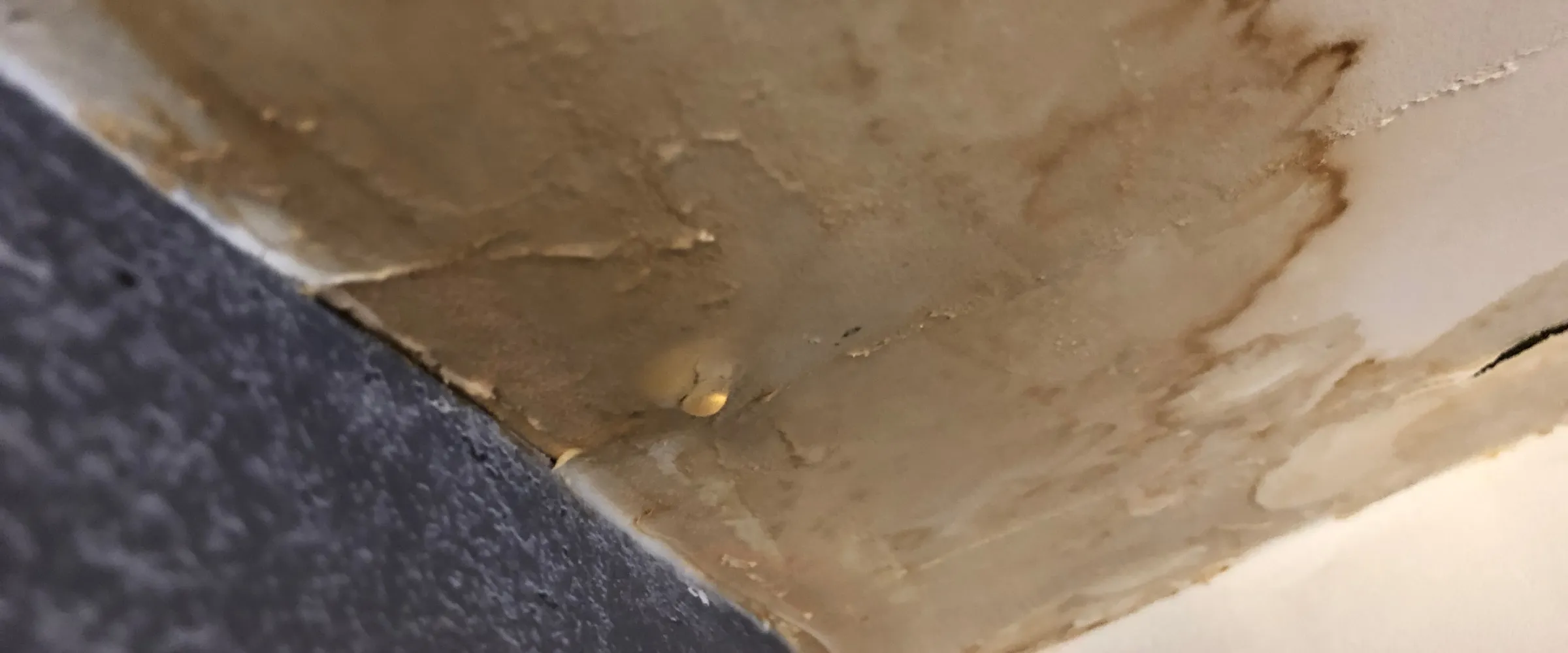
As drywall absorbs water, it can become heavier and lose strength. Warning signs can include:
Sagging
Bulging
Dripping
Cracking
Expanding stains
Soft areas
Sections pulling away from fasteners
Do not stand underneath a ceiling that appears heavily saturated or unstable.
The visible ceiling stain may also be some distance from the original leak. Water from an upstairs plumbing problem or roof leak can travel along framing and other building materials before appearing inside the room.
Does Wet Insulation Mean the Drywall Has to Be Removed?
Sometimes, but not automatically.
If insulation behind the drywall is wet, the restoration plan needs to account for whether that insulation can be appropriately addressed and whether the wall cavity can dry.
Removing a portion of drywall may be necessary to gain access even when the visible wallboard does not look severely damaged.
This is why evaluating only the finished wall surface can lead to the wrong decision. The drywall, insulation, framing, flooring, and adjacent materials function as part of the same building assembly.
Is It Better to Save Drywall or Replace It?
Neither option is universally better.
Saving material can reduce unnecessary demolition when the drywall remains sound, uncontaminated, and capable of being dried.
Replacement makes more sense when keeping the material would leave behind contamination, physical deterioration, inaccessible moisture, or a wall that can no longer provide a suitable finished surface.
The decision may also consider:
Extent of damage
Duration of exposure
Material condition
Contamination
Access for drying
Insulation condition
Odor
Staining
Repair scope
Appearance after repairs
Cost of drying compared with replacement
A sound restoration plan tries to preserve materials that can reasonably be restored without treating salvage as the goal at all costs.
Factors That Affect Drywall Repair Costs
The visible drywall damage is only one part of the potential repair scope.
Costs can vary depending on:
How much drywall is affected
Whether water extraction is needed
Whether structural drying is required
The water source and contamination level
Whether insulation must be accessed or replaced
Damage to flooring or subflooring
Damage to ceilings
Accessibility of the wet area
Texture matching
Painting and finishing
Damage to adjacent cabinets, trim, or other finishes
Water damage that appears limited to one wall can sometimes involve additional materials once the affected area is evaluated.
For that reason, a useful estimate usually depends on the actual conditions rather than the size of the visible stain alone.
Salt Lake City Water Damage and Drywall Concerns
The basic rules for wet drywall apply regardless of location, but Salt Lake City homes can encounter water intrusion from several locally relevant conditions.
Cold weather can contribute to frozen or burst-pipe damage. Spring snowmelt and storms can also increase runoff and flooding concerns in parts of Salt Lake County. Salt Lake County maintains runoff, streamflow, floodplain, and spring snowpack resources for local property owners.
Whatever caused the water intrusion, the useful questions remain the same:
Has the source been stopped?
What type of water affected the property?
How far did the moisture travel?
What materials are wet?
Can those materials be properly dried?
Has the drywall lost its integrity?
Does contamination change what can safely remain?
Helpful Resources for Understanding Wet Drywall and Moisture
The following independent resources provide useful guidance for homeowners dealing with wet building materials. They are educational resources and are not affiliated with Thomas Restoration Utah.
Gypsum Association Moisture in Gypsum Panel Products
The Gypsum Association provides technical information about evaluating gypsum board after water exposure, including factors that influence whether a panel can remain in place. Its guidance is especially useful for understanding why the water source and material condition matter.
Gypsum Association Storms and Flooding Technical Resources
This resource addresses water-damaged gypsum board in greater detail, including questions about moisture readings and drywall exposed to sewage or floodwater.
EPA A Brief Guide to Mold, Moisture and Your Home
The EPA explains the relationship between moisture control, water-damaged materials, and mold growth. It also discusses porous materials and why resolving the underlying moisture source matters before finishing surfaces.
Salt Lake County Runoff Ready
Salt Lake County's Runoff Ready resource provides information on spring snowmelt, stream conditions, floodplain resources, sandbags, and local flood preparedness. It can be useful for homeowners concerned about water intrusion associated with runoff or flooding.
Frequently Asked Questions About Water-Damaged Drywall
Does Every Wet Drywall Panel Need to Be Replaced?
No. Some drywall exposed to clean water may be suitable for drying if it remains structurally sound and the surrounding assembly can also be dried.
Contamination, severe saturation, physical deterioration, or mold growth can change that decision.
Can Drywall Dry Without Being Removed?
In some situations, yes.
EPA guidance indicates that drywall may sometimes be dried in place when there is no obvious swelling and seams remain intact. The ability to dry the wall cavity and other affected materials also matters.
How Can You Tell if Moisture Is Still Behind Drywall?
Visual inspection alone may not provide the full answer.
Restoration professionals can evaluate the pattern and extent of moisture using appropriate moisture-detection methods while also considering nearby materials, cavities, insulation, and the source of the leak.
Thomas Restoration Utah's Salt Lake City water restoration process includes structural drying of walls, floors, and cavities.
Should Drywall Exposed to Sewage Be Saved?
Porous drywall exposed to sewage should generally be replaced rather than dried for reuse.
The contamination risk makes sewage exposure different from a small clean-water leak. The Gypsum Association specifically states that gypsum panels exposed to sewage or floodwater must be replaced.
Can Only the Damaged Part of a Wall Be Replaced?
Often, removal can be limited to affected areas, but the appropriate boundaries depend on moisture spread, contamination, physical damage, and access requirements.
The goal should be to remove what needs to come out while avoiding unnecessary demolition of unaffected material.
Can Water-Damaged Drywall Cause a Musty Smell?
Moisture inside or behind drywall may contribute to musty odors, particularly if the area has remained damp.
The odor does not identify the exact cause on its own, so the area should be evaluated for hidden moisture and other affected materials rather than assuming the drywall itself is the only problem.
Should You Replace Drywall Before the Framing Is Dry?
New drywall should not conceal an unresolved moisture condition.
Any affected framing, cavities, and other materials should be evaluated and appropriately dried before the wall is closed and finished.
Get Help With Water-Damaged Drywall in Salt Lake City
Water-damaged drywall can sometimes be saved, but the decision depends on much more than the size of the stain. The source of the water, contamination, physical condition of the board, moisture behind the wall, insulation, and the ability to dry the affected assembly all matter.
At Thomas Restoration Utah, we provide water damage restoration for Salt Lake City properties, including water removal, structural drying, and restoration of affected areas.
If a leak, flood, burst pipe, or other water problem has left drywall wet or damaged in your property, call us at +1 (801) 419-2723 or Contact Us to discuss the damage and the appropriate next step.

