Can Smoke Damage Spread to Rooms the Fire Never Reached?
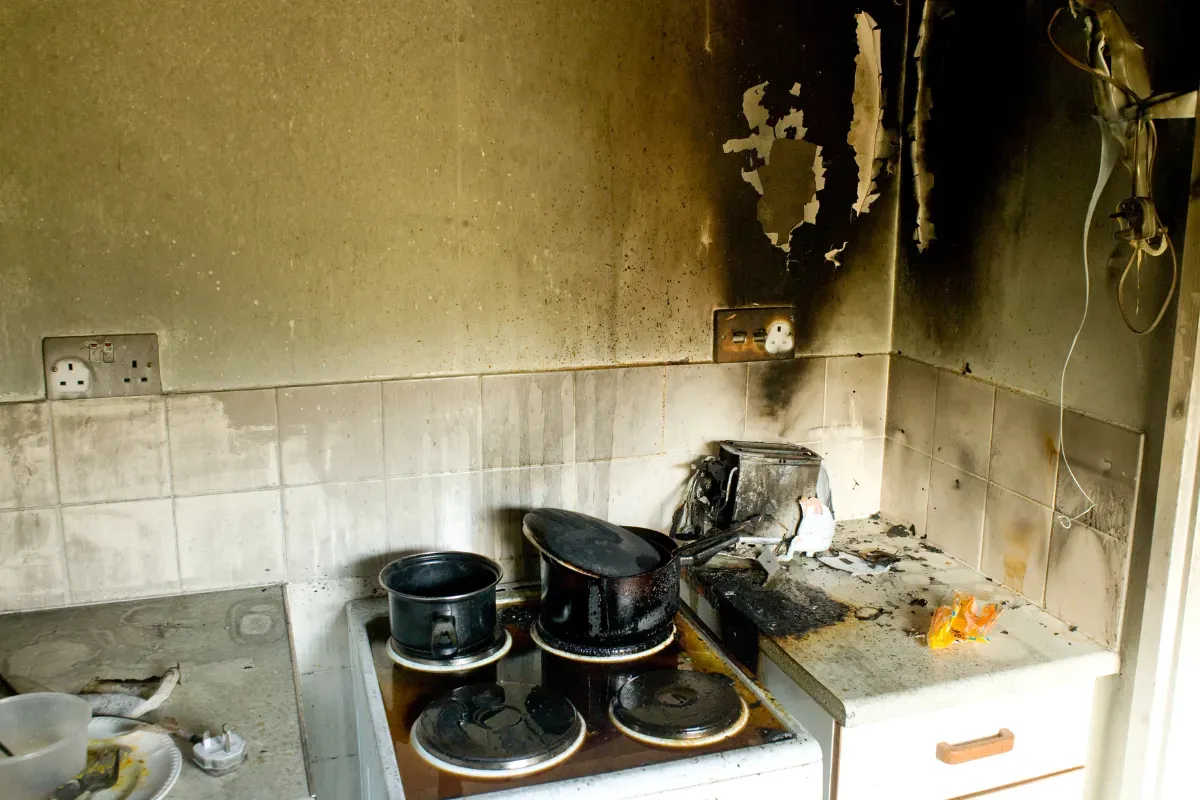
Yes. Smoke damage can affect rooms that were never touched by flames.
Smoke moves with air, travels through open doorways and small openings, and can sometimes enter heating and cooling systems. As it spreads, smoke can leave residue, soot, and odor on walls, ceilings, flooring, furniture, fabrics, and other belongings far from the original fire.
That is why professional fire damage restoration often involves evaluating more than the visibly burned room. Understanding where smoke traveled can help determine what needs cleaning, what may be salvageable, and where further restoration may be necessary.
How Smoke Spreads Beyond the Room Where a Fire Started
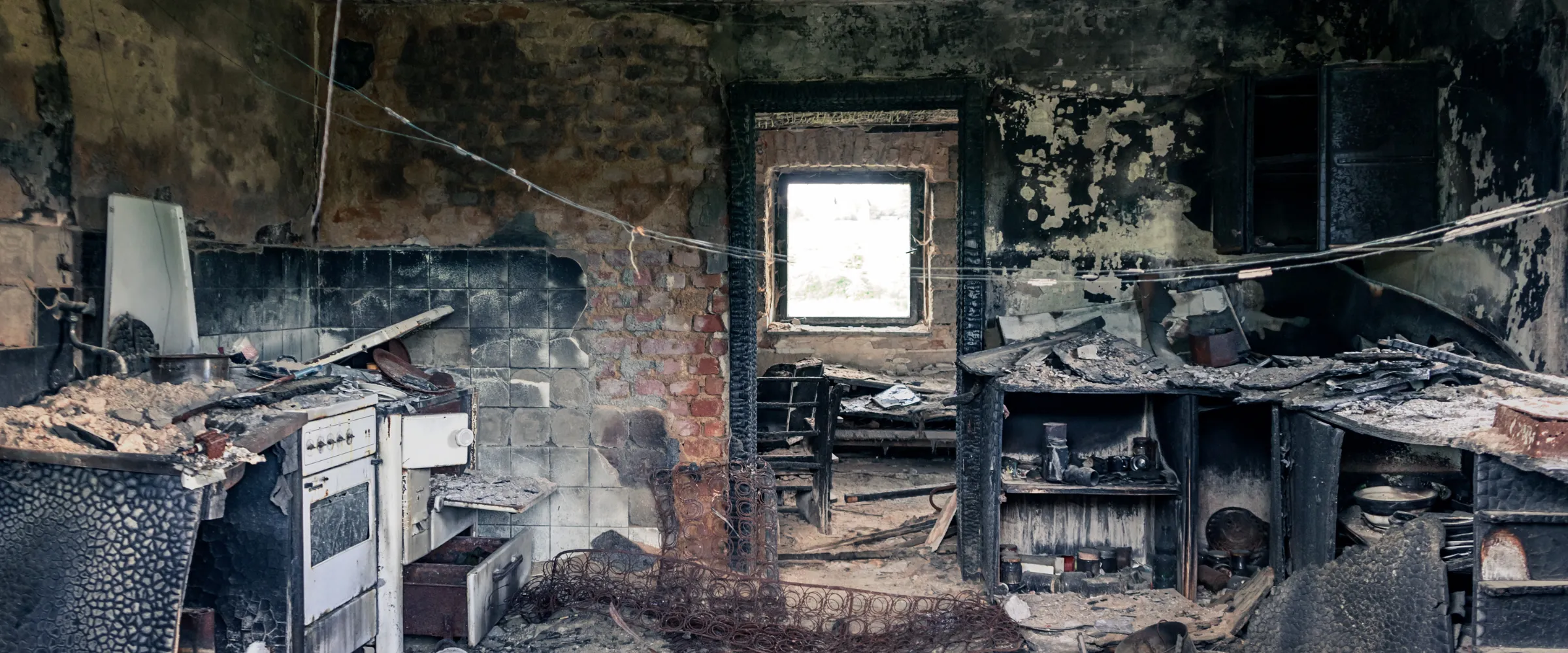
A fire does not need to physically reach a room for smoke to affect it. Smoke consists of gases and airborne particles produced as materials burn. Those contaminants can move through a property along with normal air movement.
Several pathways can allow smoke to spread.
Doorways and Hallways
Smoke naturally moves away from the source of a fire and can travel into adjoining rooms, hallways, stairwells, and other open spaces.
Even after the fire is extinguished, residue may remain on surfaces throughout those areas.
Heating and Cooling Systems
Depending on the circumstances and whether the HVAC system was operating, smoke may enter return-air openings or other parts of the system.
That does not mean every fire contaminates an entire HVAC system. However, ducts, vents, filters, and nearby components may deserve attention when smoke odors or residue appear in areas far from the fire.
Gaps and Building Cavities
Smoke and fine particles can move through small gaps around doors, penetrations, joints, and other openings.
In some cases, residue or odor may reach spaces that are not immediately visible, including areas around cabinets, above ceilings, or within other concealed spaces.
Normal Air Movement
Temperature changes, pressure differences, exhaust fans, and other sources of airflow can influence where smoke travels.
As a result, two rooms located the same distance from a fire may not experience the same degree of smoke damage.
Fire Damage, Smoke Damage, Soot, and Odor Are Different Problems
After a fire, several types of property damage may exist at the same time. They should not automatically be treated as one issue.
Direct fire damage occurs when flames or extreme heat physically damage building materials or belongings.
Smoke damage involves residues and contaminants carried away from the fire as materials burn.
Soot damage refers to particle deposits that may appear as black, gray, or oily residue on surfaces.
Smoke odor can remain when odor-producing residues have penetrated or settled onto affected materials.
Water damage from firefighting may also be present if water was used to suppress the fire.
A room with no burned materials might still have smoke residue or odor. Another room may have visible soot but little direct heat damage. The cleanup approach depends on what actually happened in each area.
Signs Smoke May Have Reached Other Rooms
Smoke damage is not always obvious at first glance.
Possible signs include:
A smoky or burned odor in rooms away from the fire
Gray or dark residue around walls, ceilings, trim, or vents
Discoloration on light-colored surfaces
Residue on shelves, counters, furniture, or decorative items
Odor absorbed by curtains, carpet, bedding, or upholstered furniture
Film or residue around HVAC supply or return vents
Smoke odor that returns after the room has been aired out
Deposits inside cabinets, closets, or other enclosed areas
Visible residue is useful evidence, but the absence of obvious soot does not necessarily mean smoke never entered the room.
Why Smoke Damage Can Be Easy to Underestimate
One reason smoke damage is difficult to judge is that the visible burn area tells only part of the story.
Imagine a kitchen fire that is extinguished before flames leave the kitchen. The living room, upstairs bedrooms, and hallway may look intact. However, smoke may have moved through open spaces while the fire was burning.
Soft furnishings may absorb odor. A light residue may settle on painted surfaces. Smoke may also reach clothing, stored belongings, or nearby HVAC components.
Cleaning only the area immediately around the fire can therefore leave other affected spaces untreated.
Materials React Differently to Smoke and Soot
There is no single cleaning method that works for every smoke-damaged material.
The type of surface, residue, heat exposure, severity of contamination, staining, and odor penetration all affect whether something can be cleaned or should be replaced.
Painted Walls and Ceilings
Painted surfaces may collect fine residue even when they do not look heavily soiled.
Trying to wipe soot without understanding the residue and finish can smear contamination or create permanent staining. The condition of the paint and underlying material matters when deciding how to approach cleaning and repair.
Drywall
Drywall may sometimes be cleanable when smoke exposure is limited, but heavier contamination, heat damage, water exposure, staining, or persistent odor can change that decision.
Replacement is not automatically necessary simply because smoke was present.
Carpet and Upholstery
Fibers and padding can retain smoke residue and odor. The degree of penetration, material type, condition, and overall extent of damage help determine whether restoration is practical.
Wood and Cabinetry
Finished and unfinished wood can react differently to heat, soot, and smoke.
Cabinet interiors also deserve attention because smoke may enter through small gaps even when the cabinet doors were closed.
Insulation
Insulation is porous, so contamination that reaches insulated cavities can be more difficult to address than residue sitting on a smooth surface.
Any decision about concealed materials should be based on the actual extent of damage rather than assumptions.
Personal Belongings
Clothing, furniture, electronics, books, artwork, and other contents may all respond differently to smoke exposure.
At Thomas Restoration Utah, we provide contents storage and restoration as part of our restoration capabilities, including packing, cleaning, storing, and restoring salvageable belongings when possible. Not every fire-damaged item can be successfully restored, so contents should be evaluated individually.
Why Smoke Odor Can Remain After Surface Cleaning
Smoke odor is often a sign that contamination exists somewhere beyond the surfaces that received basic cleaning.
Odor-producing residue may remain in:
Carpet and carpet padding
Upholstered furniture
Draperies
Drywall and other porous finishes
Cabinets and closets
Stored belongings
Insulated areas
HVAC components
Other concealed or difficult-to-clean locations
Covering the smell with fragrances does not address the underlying residue.
A restoration plan should focus on identifying affected materials and dealing with the source of the odor rather than simply masking it.
Can You Clean Smoke and Soot Yourself?
Minor residue on an otherwise safe, undamaged surface may seem straightforward, but fire cleanup deserves caution.
Do not enter a fire-damaged property until the appropriate authorities have determined that re-entry is safe. Fire can affect electrical systems, gas lines, ceilings, floors, framing, and other building components in ways that may not be obvious.
Once entry is permitted, avoid aggressively wiping or scrubbing unknown soot deposits. Some residues smear easily, and the wrong cleaning method can make staining harder to remove or damage the underlying finish.
For broader smoke contamination, uncertain residue, structural damage, persistent odor, or damage involving multiple rooms, a professional evaluation can help determine the appropriate next steps.
What a Fire Damage Assessment May Need to Consider
A proper restoration scope should reflect where the damage actually extends, not simply where flames were visible.
Depending on the loss, an evaluation may consider:
The room where the fire originated
Adjacent rooms and hallways
Walls and ceilings
Flooring and soft furnishings
Closets and cabinets
Contents and personal belongings
HVAC vents or components where relevant
Concealed areas when evidence suggests smoke traveled there
Firefighting water damage
Materials physically damaged by heat or flames
Areas requiring cleaning versus repair or replacement
We handle fire damage cleanup, smoke removal, structural repairs, and related restoration work for homes and businesses in Salt Lake City and surrounding Northern Utah communities. Our goal is to coordinate the different parts of the recovery process based on the actual damage present.
Cleaning Versus Replacing Smoke-Damaged Materials
Smoke exposure does not automatically mean everything in the affected area needs to be thrown away.
At the same time, not every material can be saved.
The restore-versus-replace decision can depend on factors such as:
Material type
Severity of smoke or soot contamination
Heat exposure
Physical fire damage
Water exposure
Staining
Odor penetration
Structural condition
Ability to clean the material effectively
Appearance after restoration
Practical repair or replacement considerations
A lightly affected hard surface may present a very different restoration situation from heavily contaminated porous material.
Making those decisions room by room and material by material can prevent both unnecessary replacement and incomplete cleanup.
What About Water Damage From Firefighting?
Smoke may not be the only form of damage outside the burn area.
Water used to suppress a fire can travel through flooring, walls, ceilings, and other building materials. A room untouched by flames may therefore have smoke contamination, water damage, or both.
These problems require different approaches. Removing smoke residue does not resolve trapped moisture, just as drying wet materials does not remove soot or smoke odor.
A restoration project may need to coordinate cleanup, drying, removal of unsalvageable materials, repairs, and reconstruction depending on the extent of the loss.
A Local Note for Salt Lake City and Utah Property Owners
Smoke exposure can also happen without a structural fire inside your home.
During wildfire smoke events, outdoor smoke can enter buildings through open windows and doors, ventilation systems, exhaust fans, and small openings. The Utah Department of Environmental Quality provides specific guidance for Utah residents dealing with wildfire smoke.
Wildfire smoke entering from outside is not the same restoration scenario as a house fire, but it illustrates an important principle: smoke follows airflow and does not have to stay near the source.
Helpful Fire and Smoke Resources
Several non-commercial resources provide useful information about fire recovery, smoke exposure, and property safety.
American Red Cross: Checking Your Home After a Fire
The American Red Cross explains precautions to take before and during re-entry after a residential fire, including concerns involving structural damage, utilities, and damaged household items.
American Red Cross: Cleaning Up After a Fire
This resource covers post-fire cleanup considerations, including soot, smoke odor, wet materials, and household contents. Because damaged surfaces and residues vary, follow appropriate safety guidance before attempting cleanup.
U.S. EPA: Wildfires and Indoor Air Quality
The EPA explains how outdoor smoke can enter buildings through ventilation, HVAC fresh-air intakes, windows, doors, and small openings. It also provides guidance on protecting indoor air quality during wildfire smoke events.
Utah Department of Environmental Quality: Protect Yourself From Wildfire Smoke
Utah DEQ offers locally relevant information about reducing indoor smoke exposure and understanding how wildfire smoke can enter homes throughout the state.
Frequently Asked Questions About Smoke Damage in Other Rooms
Can Smoke Damage a Bedroom if the Fire Was Downstairs?
Yes. Smoke can travel through stairwells, hallways, doorways, and other air pathways. Whether an upstairs bedroom was affected depends on the fire, airflow, duration, building layout, and other conditions.
Does Closing a Door Keep All Smoke Out?
A closed door can reduce direct smoke movement, but it does not guarantee that no smoke or odor will enter. Smoke may move through gaps or other air pathways depending on conditions inside the building.
Can Smoke Travel Through Air Vents?
It can. If smoke enters parts of an HVAC system, airflow may contribute to its movement. However, the extent varies from one fire to another, so the system should not automatically be assumed to be contaminated without evaluation.
Does Every Room With a Smoke Smell Need to Be Rebuilt?
No. Odor alone does not automatically mean a room needs demolition or rebuilding.
The affected materials, severity of contamination, physical damage, staining, and ability to restore the surfaces all influence what work is appropriate.
Can Smoke-Damaged Drywall Be Cleaned?
Sometimes. Light surface contamination may present different options than drywall affected by heavy soot, heat, water, staining, or deeply embedded odor.
The condition of the material should determine whether cleaning, sealing, repair, or replacement is appropriate.
Why Does the Smoke Smell Come Back After Cleaning?
Odor may return when smoke residue remains in porous materials, contents, cavities, furnishings, or other areas that were not fully addressed.
That is one reason restoration involves finding the extent of contamination rather than simply cleaning the most visibly affected surface.
Should I Throw Away Everything That Smells Like Smoke?
Not automatically. Some contents may be candidates for cleaning and restoration, while others may not be practical or appropriate to save.
The material, level of contamination, physical damage, odor, value, and condition all matter.
Should Every Room Be Inspected After a House Fire?
The appropriate scope depends on the fire and how smoke moved through the property. Rooms beyond the burn area may warrant evaluation when there is odor, residue, soot, HVAC involvement, open airflow between rooms, or other evidence that smoke traveled beyond the fire's origin.
Smoke Damage Can Extend Far Beyond the Flames
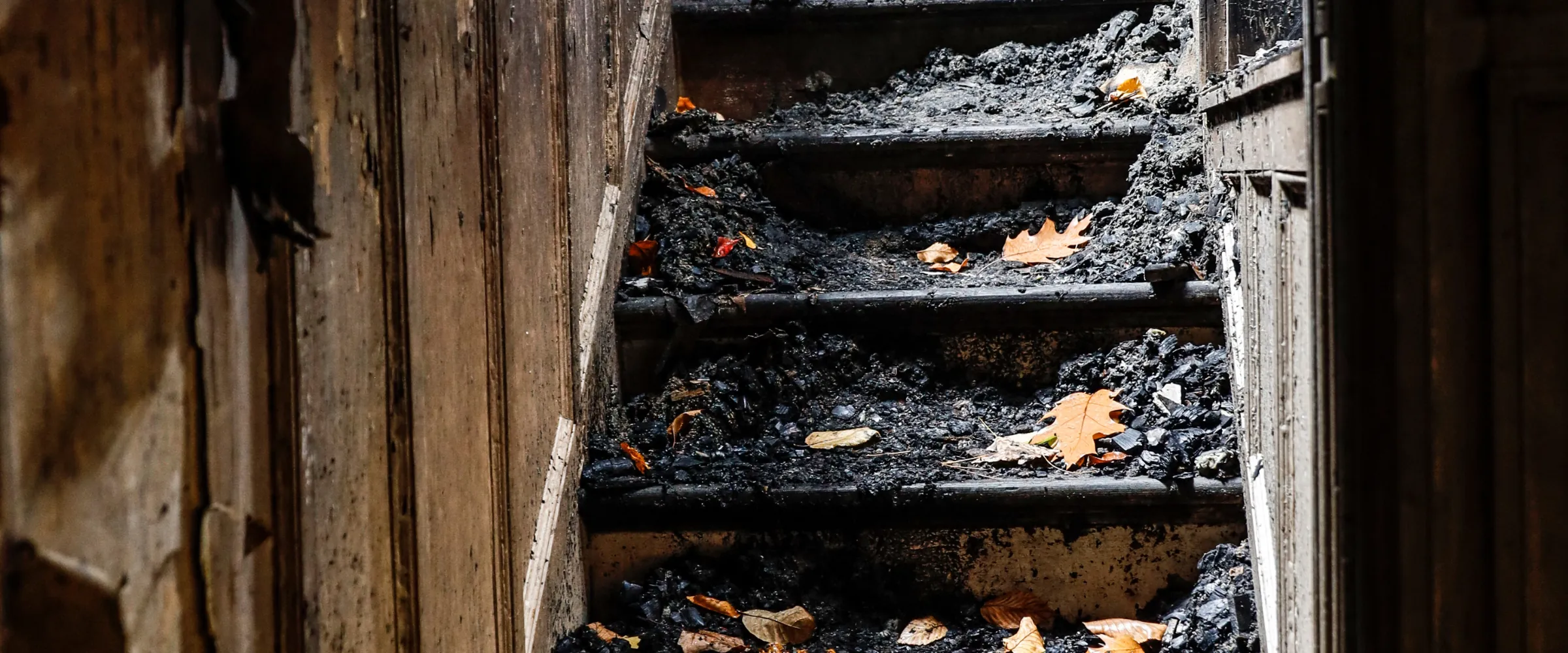
The room where the fire started may have the most obvious damage, but it should not automatically define the limits of the restoration project.
Smoke can travel into areas untouched by flames, leaving residue, soot, and odor on surfaces and belongings throughout a home or business. Determining where that contamination reached is an important part of deciding what should be cleaned, restored, repaired, or replaced.
If your Salt Lake City property has been affected by a fire, our fire damage restoration services can help address fire damage, smoke removal, affected contents, and necessary repairs based on the condition of your property.
To discuss your situation with Thomas Restoration Utah, call +1 (801) 419-2723 or Contact Us.

